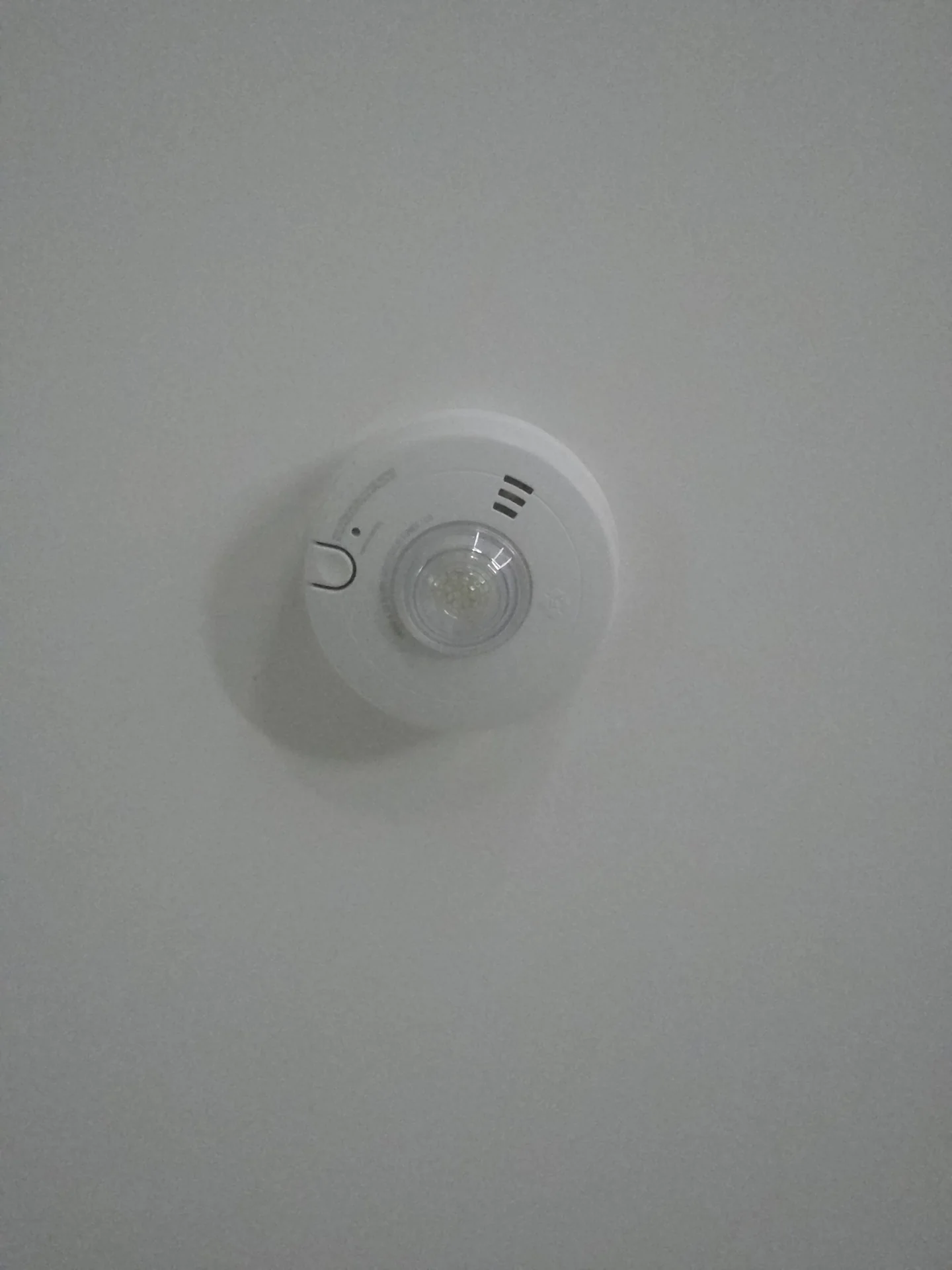
Fire Alarm Testing in Canada: Complete Guide for Owners, Managers & Tenants (2025)
This practical, regulation‑backed guide explains fire alarm testing in Canada—what’s legally required, how often to test, who can perform tests, and typical costs for building owners, property managers, and tenants.

Across Canada, fire alarm systems must be inspected and tested on a fixed schedule tied to national standards and provincial fire codes. This guide covers the legal baseline (with emphasis on Ontario), regional nuances in British Columbia and Quebec, routine frequency requirements, who is qualified to test, common pitfalls, penalties for non‑compliance, and budgeting notes. Where relevant, we link directly to code provisions or municipal rules.
Legal Standards & Where They Come From
Canada‑wide baseline: Provinces adopt the National Fire Code of Canada and reference Canadian standards for fire alarm inspection and testing. The key standard is CAN/ULC‑S536:2019 – Inspection and Testing of Fire Alarm Systems, and new systems or major alterations are commissioned under CAN/ULC‑S537:2019 – Verification of Fire Alarm Systems.
- Ontario: The Ontario Fire Code (O. Reg. 87/25) adopts CAN/ULC‑S536:2019 for inspection/testing and CAN/ULC‑S537:2019 for verification. See also the consolidated code at O. Reg. 213/07.
- British Columbia: Provincial fire code aligns to national standards; some municipalities add technician accreditation. Vancouver requires ASTTBC‑registered Registered Fire Protection Technicians (RFPT) for annual inspections (see By‑law No. 14419 and City guidance).
- Quebec: The Safety Code (RBQ) requires annual verification and record‑keeping; see the RBQ inspection register guide: Registre d’inspection.
- Access to the standard: See the official UL Standards page for CAN/ULC‑S536:2019 (scope).
Testing Frequencies at a Glance
The exact procedures are defined in CAN/ULC‑S536 and the applicable fire code. Ontario’s Fire Code also spells out daily checks and recordkeeping. Summary:
| Interval | What’s Required (high level) | Notes / Reference |
|---|---|---|
| Daily | Owner/designee checks the fire alarm control unit for troubles/supervisory; confirm system is in “normal”. | Ontario Fire Code Div. B 6.3.2.3 specifies daily checks; other provinces rely on S536 routines. |
| Monthly | Functional tests on a rotational basis (initiating device, audibles/visuals, standby power checks) per S536; record results. | Follow CAN/ULC‑S536 methods; maintain records (Ontario: Div. B 1.1.2.1). |
| Annual | Full system inspection & testing by a qualified technician to CAN/ULC‑S536 (all devices, circuits, functions, signals, power supplies, batteries, etc.). | Ontario adopts S536:2019; retain the annual report on site. If monitored, confirm signals with the station. |
| Interconnected smoke alarms (residential common areas) | Weekly power check; monthly operability check; annual activation of manual station if present. | Ontario Div. B 6.3.2.6 details weekly/monthly/annual items and record retention. |
Home smoke/CO alarms (no panel): Smoke alarms required on every storey and outside sleeping areas; test monthly; replace batteries as indicated. Landlords must test smoke alarms at least annually and at every change of tenancy; CO alarm duties mirror this where required.
Who Can Perform Testing
- Annual fire alarm inspection: by a qualified fire alarm technician acceptable to the Authority Having Jurisdiction (AHJ)—typically CFAA‑certified or locally recognized (e.g., ASTTBC RFPT in Vancouver).
- Monthly checks: building owner/manager or trained staff may conduct routine functional checks and keep records (consult your fire safety plan and S536).
- New/altered systems: require verification to CAN/ULC‑S537 before being placed in service (separate from annual testing).
What Owners & Managers Must Do
- Schedule and document all checks. Perform daily panel checks, monthly functional tests, and yearly S536 inspections by qualified technicians. Keep written records and the annual report on site.
- Use qualified providers. In Vancouver and some BC municipalities, inspections must be by ASTTBC‑registered RFPTs; elsewhere, CFAA or equivalent is standard. Book inspections & testing with FC Fire Prevention.
- Fix deficiencies quickly. Correct any troubles or faults identified during testing; never leave the system impaired. For repairs, see Fire Safety Repairs.
- Residential landlords (Ontario): test each smoke alarm annually and at tenancy change; install/maintain CO alarms where required; document it.
- Coordinate with insurers & AHJ. Some policies require proof of annual inspections and monitoring confirmations; keep certificates handy for audits and inspections.
Need design or upgrades? Explore Fire Alarm Systems, Fire Sprinklers, and Emergency Lighting.
What Tenants Must Do
- Never disable alarms. Tampering with smoke or fire alarm devices is unlawful and dangerous.
- Test monthly. Push the test button on in‑suite smoke/CO alarms monthly; report problems immediately.
- Provide access for inspections. Cooperate with annual/maintenance entry to test in‑suite devices; it keeps everyone safe and the building compliant.
Typical Costs & Budgeting
Annual fire alarm inspection pricing depends on device counts, building complexity, and scope (e.g., bundled with sprinklers or extinguishers). As a directional benchmark in the GTA, FC Fire Prevention lists annual fire alarm system inspections starting at about C$500 for small systems; large multi‑storey buildings run higher. See our overview of typical inspection pricing.
Budget tip: Combine annual fire alarm testing with other life‑safety inspections to reduce site visits and streamline documentation.
Penalties for Non‑Compliance (Ontario example)
Under Ontario’s Fire Protection and Prevention Act (FPPA), maximum penalties for Fire Code offences are significant: individuals up to $50,000 (first offence) and $100,000 (subsequent) and/or up to 1 year in jail; corporations up to $500,000 (first offence) and $1,500,000 (subsequent). Each day an order is not complied with can attract daily fines. Other provinces have comparable enforcement frameworks.
How to Prepare for Your Next Annual Test
- Confirm scope & access. Provide device counts, floor plans, and suite access windows. Notify occupants in advance.
- Coordinate monitoring. Put the system on test with your monitoring station to prevent false dispatch.
- Stage documentation. Keep prior reports, deficiency close‑outs, and the fire safety plan on hand.
- Close deficiencies. Replace faulty devices, restore impaired circuits, and re‑test affected zones.
- File and retain records. Keep the new report and logbook entries accessible for the AHJ and insurer.
Book your inspection with FC Fire Prevention or call 905‑929‑3237.
FAQ
How often must a fire alarm system be tested?
Daily visual checks by the owner, monthly functional checks, and a full annual inspection to CAN/ULC‑S536 by a qualified technician. Interconnected smoke alarms in residential common areas have weekly power checks, monthly operability checks, and an annual activation as applicable.
Who is qualified to do the annual inspection?
Qualified technicians acceptable to the AHJ—commonly CFAA‑certified; in Vancouver, ASTTBC‑registered RFPTs are required by by‑law.
What are landlord duties for smoke/CO alarms in Ontario?
Install and maintain required smoke and CO alarms, test smoke alarms at least annually and at every change of tenancy, and document it. Tenants must not disable alarms.
What does the annual S536 test include?
A device‑by‑device and function test across initiating devices, notifications, supervisory and trouble signals, transmission paths, batteries/standby power, and documentation of results.
References
- Ontario Fire Code – adoption of CAN/ULC‑S536:2019 & S537:2019: O. Reg. 87/25 and O. Reg. 213/07 (consolidated)
- Ontario Fire Code extracts (daily checks, records, interconnected alarms): Ontario Gazette (code text excerpts)
- UL Standards – CAN/ULC‑S536:2019 (scope): UL Standards & Engagement
- Vancouver technician requirement (ASTTBC RFPT): Vancouver Fire By‑law 14419 & City of Vancouver – pre‑inspection certification
- Quebec (RBQ) – annual verification & register: RBQ Registre d’inspection
- Ontario landlord testing duties (smoke alarms annually & at tenancy change): O. Reg. 194/14 (Fire Code amendments)
- Ontario – smoke alarm basics & monthly testing guidance: Province of Ontario – Seniors’ Guide (safety section)
- Indicative pricing (GTA): FC Fire Prevention – Affordable Inspections
Disclaimer: This guide is for general information only and is not legal advice. Always consult your local AHJ and applicable codes/standards.
Work with FC Fire Prevention
- Fire Inspection & Testing – annual S536 testing, monthly programs, logbooks
- Fire Alarm Systems – design, installation, upgrades
- Fire Safety Repairs – corrective maintenance and deficiency close‑outs
- Fire Sprinklers & Emergency Lighting
- Book a service or get a quote


Comments are closed