
FC FIRE RESOURCES
Fire Equipment Inspections: A Practical Guide for Ontario Owners
A fire equipment inspection program should cover the systems actually installed in your building. Start with an equipment register, then assign the required checks, professional service and follow-up to named people.
Know what each service covers
- Fire alarms: recurring inspection and testing, routine checks and prompt investigation of faults. Ontario’s annual testing requirements reference CAN/ULC-S536-2019.
- Extinguishers: monthly checks, professional maintenance and internal service or pressure testing at the intervals applicable to each model.
- Sprinklers, standpipes and pumps: an equipment-specific schedule covering the required inspection, testing and maintenance tasks.
- Emergency lighting: routine checks and the required annual full design-duration test, with results recorded.
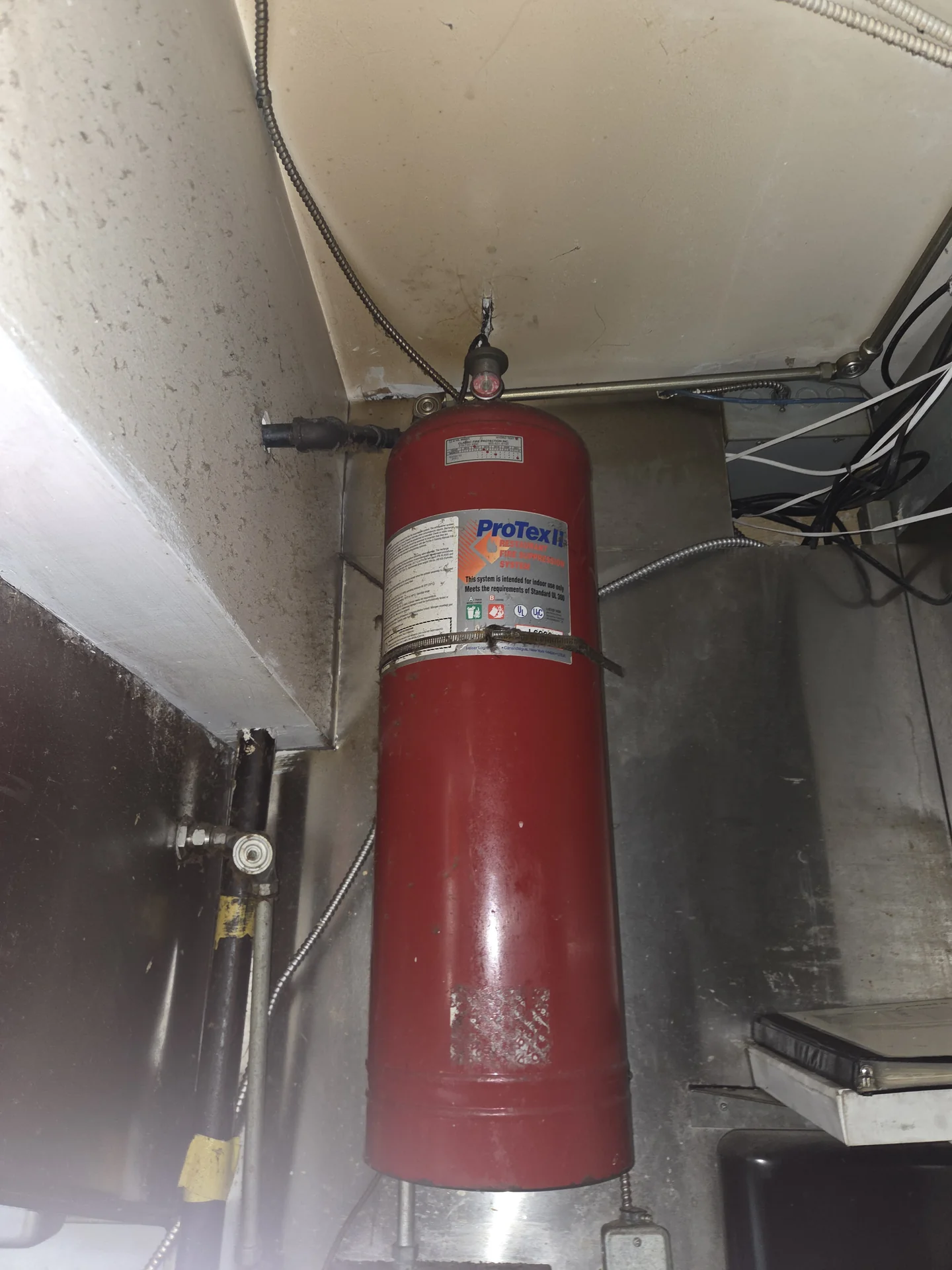
- Kitchen suppression: service appropriate to the installed system, coordinated with cooking equipment changes and exhaust cleaning.
- Smoke and carbon monoxide alarms: applicable installation, testing, maintenance and replacement duties for the building.
Use the current Ontario Fire Code, its referenced standards and equipment instructions. A single annual visit does not replace every routine or longer-interval requirement.
Prepare the provider
Supply previous reports, drawings, equipment details and known faults. Identify inaccessible devices and arrange access before the appointment. Confirm occupant notices, monitoring coordination, related trades and any required alternate measures.
Ask for a written scope describing the equipment and tests included, exclusions, report deliverables and charges for return visits or repairs.
Use the report to finish the work
Review findings promptly. Separate failed equipment from incomplete testing and recommendations for further assessment. Assign repairs and required retesting, and keep evidence of completion with the original report.
If required protection is impaired, follow the building’s procedures and arrange qualified assistance promptly. Do not leave a fault unaddressed until the next scheduled inspection.
Keep records that can be used
Maintain a current contact list, service schedule and deficiency register. Keep records for the periods required by the applicable code and make them accessible to responsible staff and officials. Review the program when the occupancy, equipment, layout or management team changes.
Contact FC Fire Prevention to discuss the inspection scope for your Ontario property. For preparation details, see our Toronto fire inspection guide.