
FC FIRE RESOURCES
Fire Extinguisher Types and Uses: A Canadian Guide
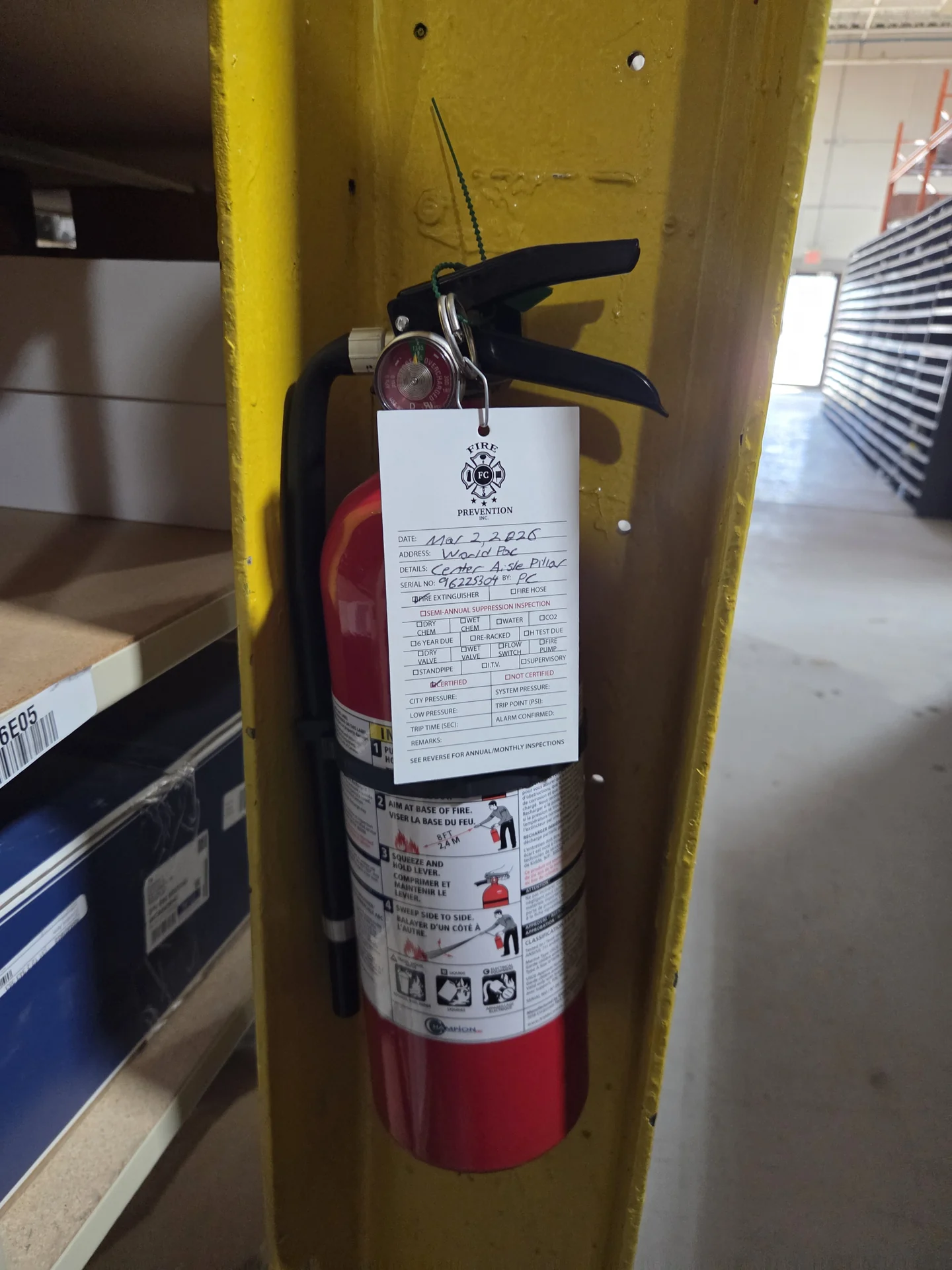
Portable fire extinguishers are designed for particular hazards. A red cylinder’s appearance does not tell you which fires it can safely tackle. Read the classification label, understand the setting and make sure the equipment is selected, placed and maintained for its intended use.
Match the label to the fire class
In Canada, the familiar fire classes describe the material or equipment involved:
- Class A: ordinary combustible materials such as paper, wood and cloth.
- Class B: flammable liquids and gases.
- Class C: energised electrical equipment.
- Class D: combustible metals requiring a compatible specialised agent.
- Class K: cooking oils and fats in cooking appliances.
An extinguisher may carry more than one rating. For example, an ABC dry chemical model is rated for A, B and C hazards. That does not make it suitable for every hazard. Class D dry powder equipment is different from common dry chemical extinguishers. See the Canadian Centre for Occupational Health and Safety’s extinguisher guide for the classifications and agent limitations.
Choose for the premises
A small office, a commercial cooking operation and a workshop handling combustible metals need different assessments. Equipment selection should consider the actual hazards, required rating, travel distance, mounting arrangement and the people expected to use it.
A kitchen’s portable extinguisher also does not replace its required fixed suppression system. Discuss changes to cooking appliances or their positions with the responsible service provider before assuming the existing protection remains appropriate.
Ask for a location plan or inventory when equipment is installed. Assign a clear identifier to each unit so inspection records and repair requests refer to the same extinguisher. A photograph of the label can be useful when requesting service, provided it can be taken safely.
Make evacuation the first priority
A portable extinguisher is for a limited, early-stage fire and a person trained to use the correct equipment. It is not a reason to enter smoke, delay reporting the fire or put an escape route behind the flames. If the fire is growing, the correct equipment is unavailable or you are unsure, evacuate and call 9-1-1 from safety.
Training should cover both operation and the decision to stop. Building staff also need to understand their fire safety plan and alarm reporting procedures. A wall poster or short article cannot replace hands-on instruction appropriate to the workplace.
Keep the equipment ready
Check that units remain in their assigned locations, visible and accessible, with legible labels and no obvious damage or signs of use. Arrange the inspection, maintenance and testing applicable to the equipment. If an extinguisher has been discharged, follow the manufacturer’s service or replacement instructions before returning it to use.
Keep records of maintenance and replacements, including changes in rating or location. A renovation, new storage arrangement or change in business activity is a good reason to review the inventory with your provider.
FC Fire Prevention can help review extinguisher selection, placement and service needs in Toronto and the GTA. Call 647-998-3473.