
FC FIRE RESOURCES
Fire Prevention in Toronto: Practical Steps for Homes and Workplaces
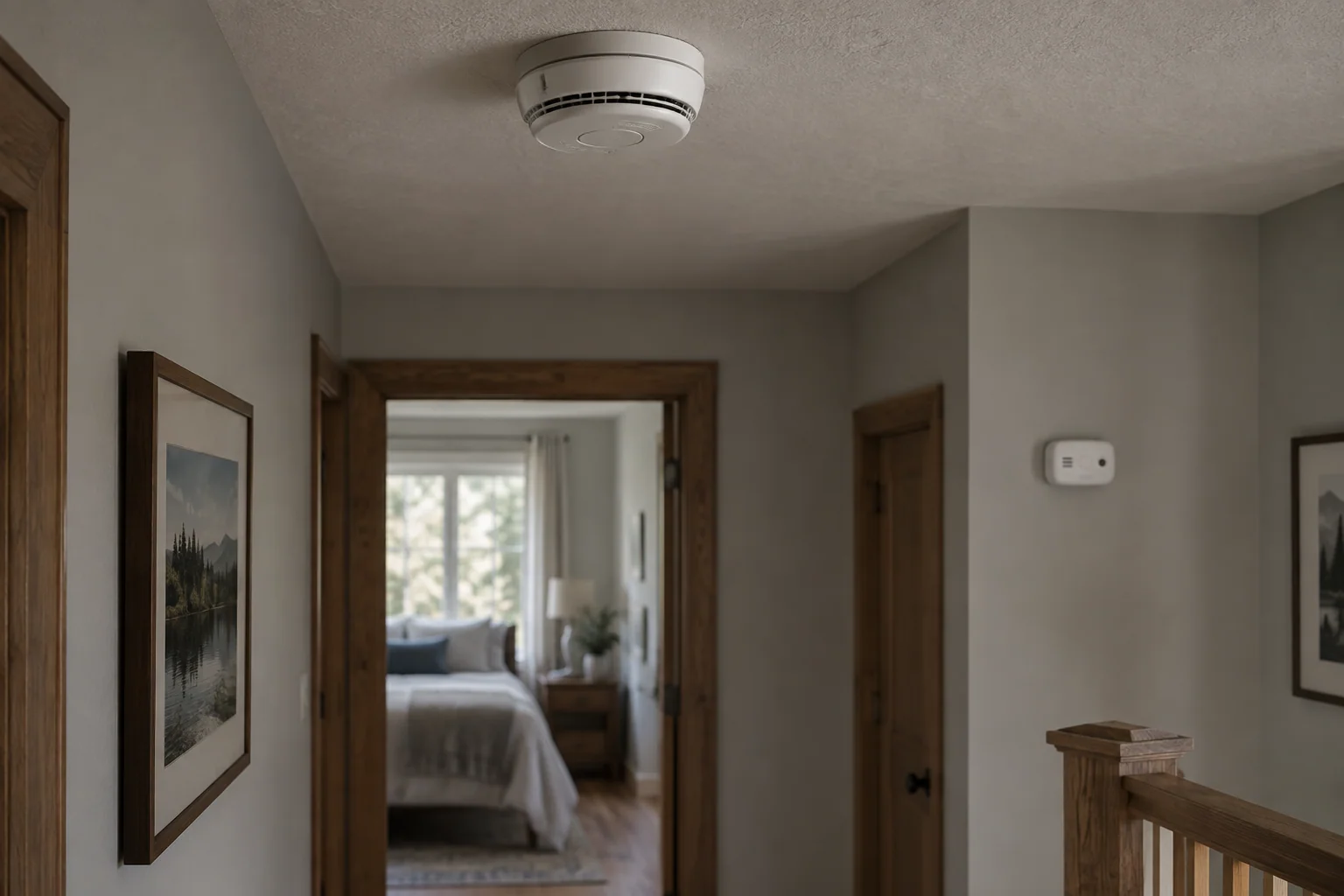
Fire prevention is part of how a property is used every day. In Toronto homes and workplaces, clear exits, careful housekeeping, working protection and an understood emergency plan support one another. A service visit is one part of that ongoing work.
Know who does what
Toronto Fire Services conducts fire prevention inspections and addresses Ontario Fire Code violations and other hazards within its authority. A private service contractor inspects, tests or maintains the equipment included in the agreed service scope. These roles are related, but they are not interchangeable. For municipal requests or complaints, use Toronto’s inspection and enforcement information.
Keep everyday hazards visible
- Keep exits, stairs and access to fire protection equipment clear.
- Report damaged electrical equipment, unusual heat or recurring faults.
- Keep combustible storage away from unsuitable locations and ignition sources.
- Do not wedge open fire doors or interfere with protective equipment.
- Address cooking and housekeeping risks before they become routine.
Give occupants and staff a simple way to report a concern. Record the location and follow up with the appropriate person; a verbal report can easily be lost during a shift change.
Maintain the equipment actually installed
List the property’s alarms, extinguishers, emergency lighting, sprinklers and other systems. Establish the required tasks and intervals with the responsible providers. Some routine checks can be assigned to trained staff, while other work requires qualified personnel.
Keep service reports and track deficiencies to completion. If a system is impaired, use the building’s procedures and obtain direction on the required interim measures and notifications. Do not wait for the next scheduled annual visit to report a known problem.
Prepare people to respond
At home, learn the alarm sound, plan escape routes and agree on an outside meeting place. In a workplace or multi-residential building, follow the building’s specific emergency procedures and fire safety plan. Account for visitors and people who may need assistance.
Use Ontario’s home fire safety guidance for household advice and confirm building-specific questions with the appropriate professionals. Never assume that a general blog checklist covers every legal requirement for a property.
Choose the right next step
For equipment inspection, testing and repair needs in Toronto and the GTA, call FC Fire Prevention at 647-998-3473. For a fire or immediate danger, call 9-1-1 from safety and follow the emergency procedures.