
FC FIRE RESOURCES
Emergency Lighting Failed Its Duration Test: What to Ask Before Repairs
An emergency light that briefly comes on may still fail its duration test. Learn what Ontario property managers should clarify before approving repairs.
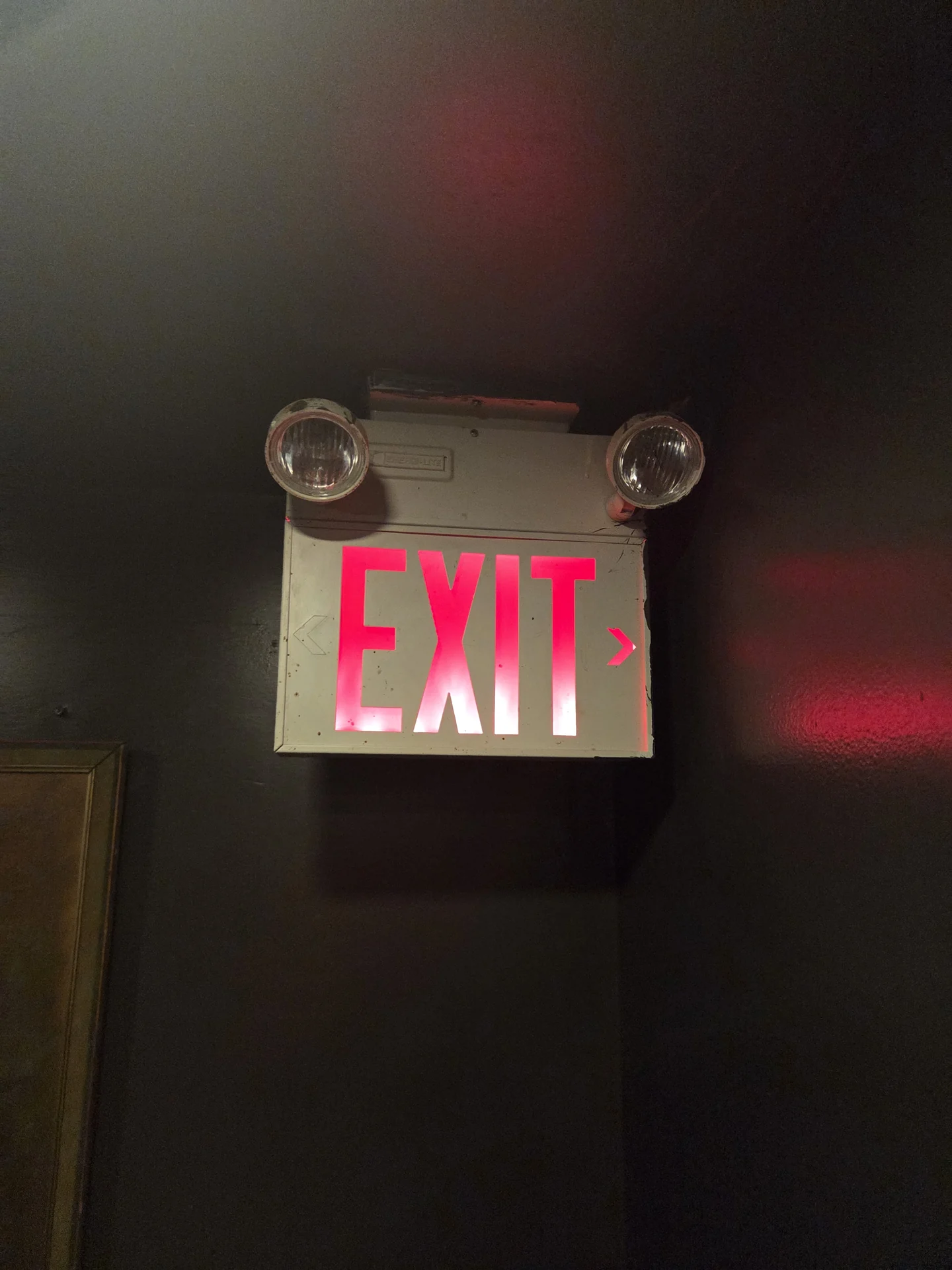
Your emergency lights came on during testing, but one unit did not stay on for the required period. Before approving a battery replacement, ask the service provider to explain the recorded failure, the proposed correction and how the result will be confirmed.
For Toronto and GTA property managers, a clear repair scope helps avoid closing a deficiency while part of the problem remains unresolved.
Start with the required test duration
Ontario Fire Code Article 6.7.1.6 requires self-contained emergency lighting units to undergo monthly inspection and functional testing. At intervals no greater than 12 months, testing must establish that the unit provides lighting for the duration required by its design criteria under simulated power failure.
The same article requires charging voltage, current and recovery-period checks after that duration test, against the manufacturer’s specifications. These provisions appear in O. Reg. 87/25; use the current Fire Code when confirming the scope.
Ask which duration applies to the installed equipment and building. A brief light-up check cannot establish a longer operating time. A duration quoted for a different property or product is not enough to establish your requirement.
Identify the exact unit and finding
Before requesting a repair quote, match the report entry to the equipment. Useful details include:
- The unit identifier, floor and nearby room or stair.
- The manufacturer and model, if available from records or a visible label.
- The test date, required duration and recorded result.
- Any affected remote lamp heads or related findings in the report.
- Known recent outages, previous repairs or recurring indicator messages.
These details help the provider investigate. Record what is visible without opening equipment or disconnecting its power supply. Indicator colours and flashing patterns must be interpreted using the instructions for that model.
Ask what the proposed repair addresses
A failed duration test records a performance problem; the provider should explain the basis for the proposed remedy. Ask whether the finding supports a defined repair or whether further assessment is needed first.
If the quote proposes a battery, ask how compatibility and the condition of the remaining equipment will be assessed. If it proposes a complete replacement unit, ask what findings support that scope and how connected lamps will be addressed.
Manufacturer requirements matter. For example, Acuity’s AFF product documentation distinguishes charging, battery and diagnostic functions for that product. Its settings and specifications should not be applied to a different model.
Include the return checks in the quote
Agree on parts, access, labour and any separate visit needed for follow-up testing. Ask what charging or recovery conditions must be established before the provider can confirm the result. Replacing a component and completing the required performance checks may be separate stages.
Request a record that connects the original unit and deficiency with the work completed, the date, the follow-up results and anything still outstanding. Keep it with the original inspection report.
Address the safety gap promptly
Tell the responsible building manager when required emergency lighting has failed. Ask the qualified service provider about prompt correction and any building-specific interim measures. Do not wait for the next annual visit or assume ordinary lighting resolves a backup-lighting failure.
For a fire or immediate danger, call 911 from a safe location and follow the building’s emergency procedures.
Request a clear emergency-lighting repair scope
Use our contact page to share the property address, affected locations and which inspection records you have. FC Fire Prevention can discuss emergency lighting inspection and repairs and the corrective work and follow-up appropriate to your Toronto or GTA property.
Owner planning guidance. This article is not a procedure for testing or repairing electrical equipment.
No Responses