
FC FIRE RESOURCES
Who Missed Your Fire Extinguisher Training? A Workplace Follow-Up Checklist
Check missed attendees, new hires and shift coverage after extinguisher training, then separate workplace briefings, further instruction and equipment service.
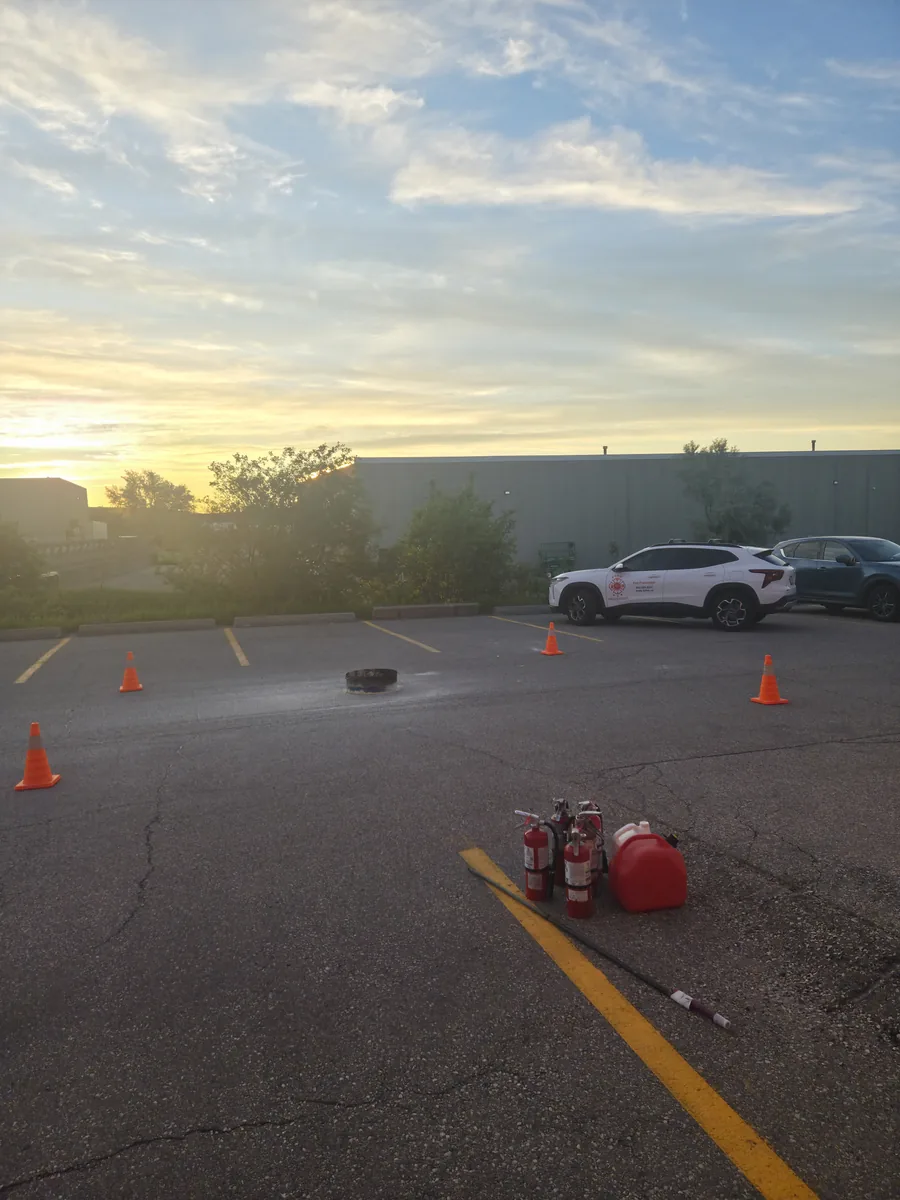
The training session is over, but did it reach the people who work evenings, cover weekends or joined last week? For a Toronto property manager or employer, the useful next step is to compare the attendance record with the team that actually works at the property.
This is a practical follow-up method, not a prescribed legal form or a universal retraining schedule. Use it alongside your workplace procedures and the training requirements that apply to your staff and premises.
1. Compare attendance with current roles and shifts
Keep the instructor’s attendance or completion record. Compare it with your current staff roster by location, role and shift, rather than assuming a department was covered because one person attended.
- Who missed the session, left early or could not participate in the practical portion?
- Who has joined, changed roles or moved to another property since the session?
- Were evening, weekend, relief and temporary staff considered?
- Which questions did the instructor identify for follow-up?
Record only the information needed to arrange the next step. Discuss participation or accessibility arrangements privately with the person concerned; do not put medical details into a shared attendance sheet.
2. Separate three different follow-up needs
Use three headings in your action list: workplace emergency briefing, extinguisher instruction or practice, and equipment service. These are not interchangeable.
For example, a new employee may need the property’s emergency briefing even if they attended extinguisher training elsewhere. A missed practical session needs discussion with the training provider, not an assumed sign-off from a colleague. A damaged extinguisher requires an equipment-service response, not another staff demonstration.
Toronto Fire Services’ workplace guidance says employees should know their nearby exits, fire-reporting arrangements and responsibilities under their workplace procedures. It also notes that procedures differ between buildings. Do not substitute another property’s instructions for your own.
3. Reinforce when not to use an extinguisher
A completion record is not an instruction to fight a fire. CCOHS guidance says people should be trained before attempting extinguisher use and should not fight an unknown or spreading fire, use unsuitable equipment or continue when unsure. Toronto also warns against an attempt when the escape route may be threatened.
Keep the follow-up focused on recognizing limits, raising the alarm, evacuation and calling 911 from safety. Do not ask staff to demonstrate competence by discharging the building’s installed extinguishers or staging an unsupervised practice fire.
4. Give each gap an owner and a next step
A short record can contain the person’s role and shift, what was missed, the agreed follow-up, who is arranging it and the target date. Mark an item complete only when that step has occurred, not when an invitation has been sent.
If the equipment, workplace hazards or staff responsibilities have changed, explain those changes to the provider. Ask whether a briefing, further instruction or supervised practice is appropriate. Do not invent a certificate expiry date or assume that one session satisfies every workplace obligation.
5. Request a focused follow-up session
When discussing FC Fire Prevention’s live fire extinguisher training, share the property location, outstanding participant numbers, shift constraints, previous session details and the learning gaps you want addressed. Ask how participation and completion will be documented.
Keep any extinguisher inspection or replacement enquiry separate. To discuss both, contact FC Fire with a clearly labelled training list and equipment list so the proposed scope can address each need.
Sources checked October 23, 2026. General workplace-planning guidance, not an emergency-response procedure or a determination of legal compliance.
No Responses