
FC FIRE RESOURCES
Smoke Alarms and Smoke Detectors: What Ontario Property Owners Should Know
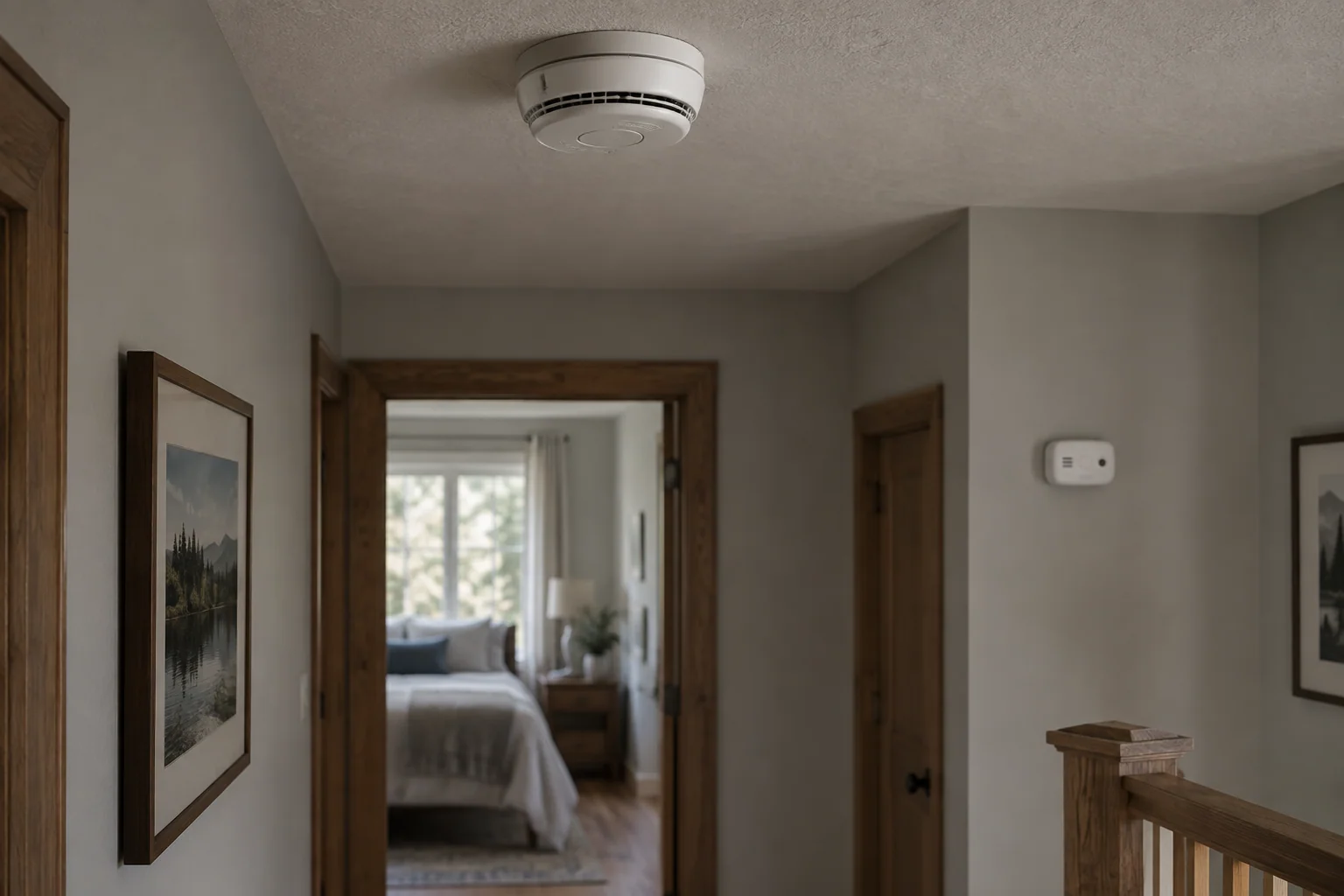
A working smoke alarm can provide an early warning when people are asleep or a fire is out of sight. It is a practical part of home safety, but it only helps if the right equipment is installed, maintained and understood by the people who rely on it.
Smoke alarm or smoke detector?
A smoke alarm combines detection and a warning sound in a unit intended for its listed application. A smoke detector is a component that communicates with a fire alarm system. In a multi-residential building, both may be present and may serve different areas. Do not assume that equipment in a corridor replaces the alarms required inside a dwelling.
When reporting a problem, identify the location, make or model if safely visible, and whether the issue concerns an in-suite alarm or the building’s system. This helps the property manager arrange the appropriate response.
Know the Ontario home requirements
Ontario’s public guidance requires working smoke alarms on every storey of a home and outside sleeping areas. Additional requirements can apply because of the building’s construction, alterations, occupancy and applicable code provisions. Homeowners and landlords are responsible for installation and maintenance; tenants must report problems and must not tamper with alarms. Check Ontario’s fire safety at home guidance and seek building-specific advice when changing equipment.
Build a simple maintenance routine
Use the alarm’s test button monthly and follow the manufacturer’s instructions. Replace batteries when required for that model and replace the complete alarm at the end of its specified life. A sealed battery is not a reason to skip testing. If a test fails or the unit reports a fault, arrange prompt correction.
Keep a record of each alarm’s location, model, installation or replacement date and any reported problem. In a rental property, an organised record helps distinguish a one-off battery problem from a recurring issue and supports handover between managers. Toronto also provides guidance on installation, maintenance and annual testing responsibilities.
Respond correctly to unwanted alarms
Never remove a battery or disconnect an alarm to silence recurring cooking-related activations. Check the manufacturer’s guidance on approved placement, cleaning and hush features, and ask the owner or service provider to investigate persistent problems. Replacing a hardwired or interconnected alarm requires attention to power supply and compatibility, as well as location.
Pair warning with an escape plan
Discuss what the alarm sounds like and what everyone should do when it activates. Identify safe escape routes, an outside meeting place and any assistance needed by children or people with mobility, hearing or other support needs. In apartments and high-rises, learn the building’s specific fire emergency procedures.
Report a suspected fire promptly and call 9-1-1 from a safe location. Smoke alarms, carbon monoxide alarms and a building fire alarm system have different purposes; check each part of the property’s protection rather than assuming one device covers every hazard.
For help identifying inspection and maintenance needs in Toronto and the GTA, contact FC Fire Prevention at 647-998-3473.