
FC FIRE RESOURCES
Fire Extinguisher Inspections & Fire Safety Plans: A Toronto Business Guide
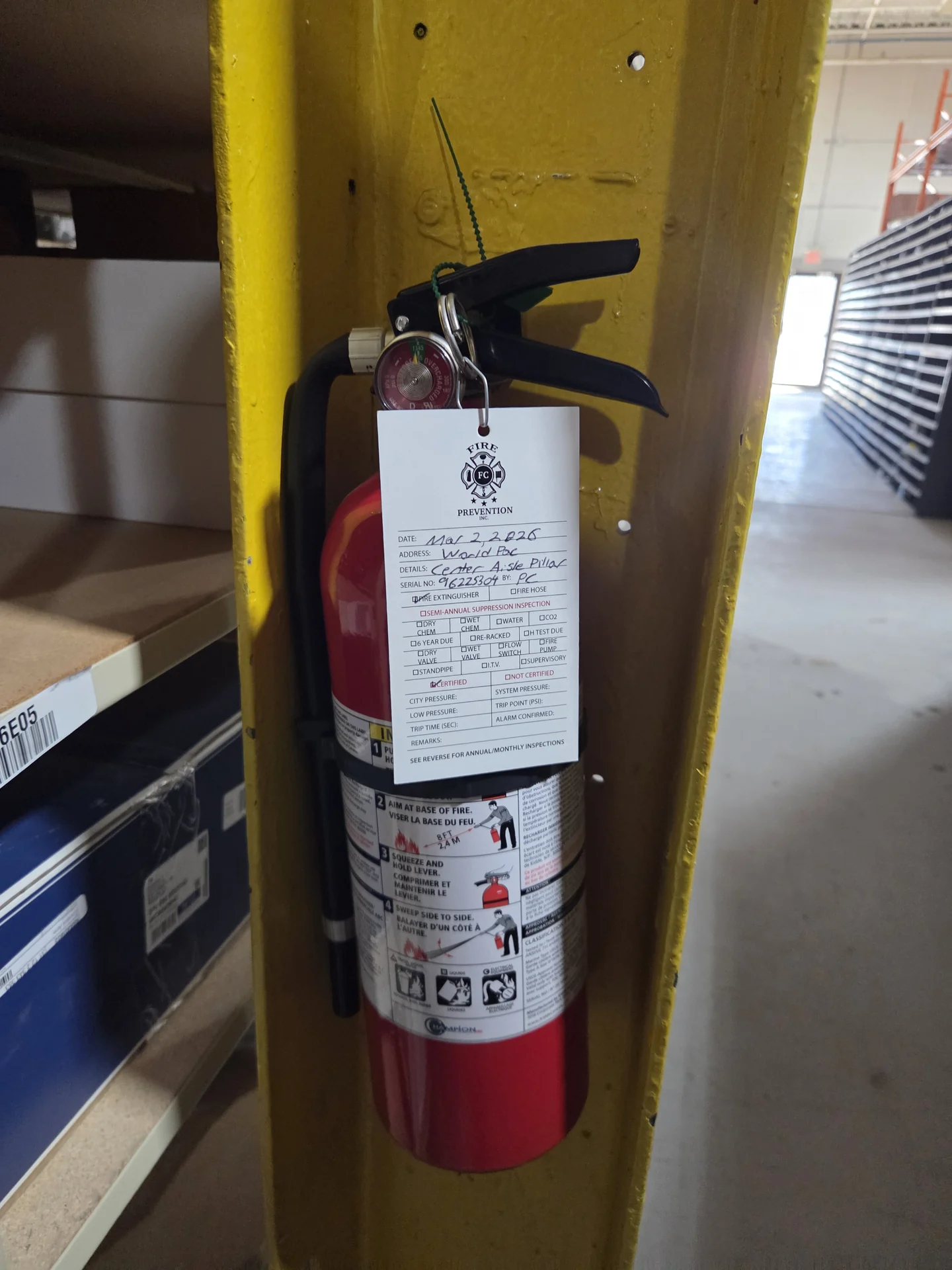
Toronto businesses: keep extinguisher maintenance, other equipment inspections and fire safety planning connected. Start with your installed systems, current service records and the people responsible for each task. This guide helps you prepare the work and follow up on findings; a checklist alone does not establish that a property complies with every requirement.
Ontario requirements (quick guide)
Ontario’s Fire Code (O. Reg. 213/07) sets minimums for inspection, testing, and maintenance. In short:
- Fire extinguisher inspection: visually check monthly; annual inspection by a qualified technician; hydrostatic pressure testing every 5–12 years depending on type (NFPA 10, as adopted by the Code).
- Fire alarms: annual inspection and testing to CAN/ULC‑S536 (plus records kept on site).
- Emergency lighting & exit signs: inspection and testing depend on the equipment and power supply; see the equipment-specific guidance below.
- Sprinklers/standpipe/fire pumps: use the applicable Fire Code requirements and system-specific inspection, testing and maintenance schedule.
- Fire safety plans: applicability depends on occupancy, occupant load, building height and other conditions in Section 2.8; required plans must be implemented and kept current, with staff instructed in their responsibilities.
For help preparing a visit, discuss inspection and testing with FC Fire Prevention. Share the installed systems, recent reports and any planning needs so the appropriate scope can be confirmed.
Fire extinguisher inspections (monthly vs annual)
Monthly (in‑house) visual checks—confirm accessibility (not blocked), location labeling, intact safety pin and tamper seal, clear instructions, and no visible damage; pressure gauge in its operating range if fitted; check fullness as the manufacturer directs. Log the check.
Annual professional maintenance—a qualified service technician performs the required fire extinguisher maintenance: checks fullness and condition and performs the required service, checks hose/nozzle, confirms agent condition, updates the maintenance tag, and schedules hydrostatic testing when due. Ask your service provider to update tags and map your extinguisher locations so staff can find them fast.
Extinguisher use requires training, the correct equipment and a safe escape route. Do not try to fight a spreading fire or one you are unsure you can handle. Follow the building’s emergency procedures and call 911 from safety. See CCOHS guidance on extinguisher use.
Other fire equipment inspections
- Fire alarms: test annually per Ontario Fire Code (CAN/ULC‑S536). Keep device‑by‑device test records accessible for the fire inspector.
- Sprinklers, standpipe, fire pumps: frequencies depend on the installed equipment and the task. The Ontario Fire Code recognizes specified NFPA 25 provisions as a way to satisfy certain water-system requirements. Confirm the applicable Code provisions, referenced edition and service records before setting the schedule. Discuss the inspection scope.
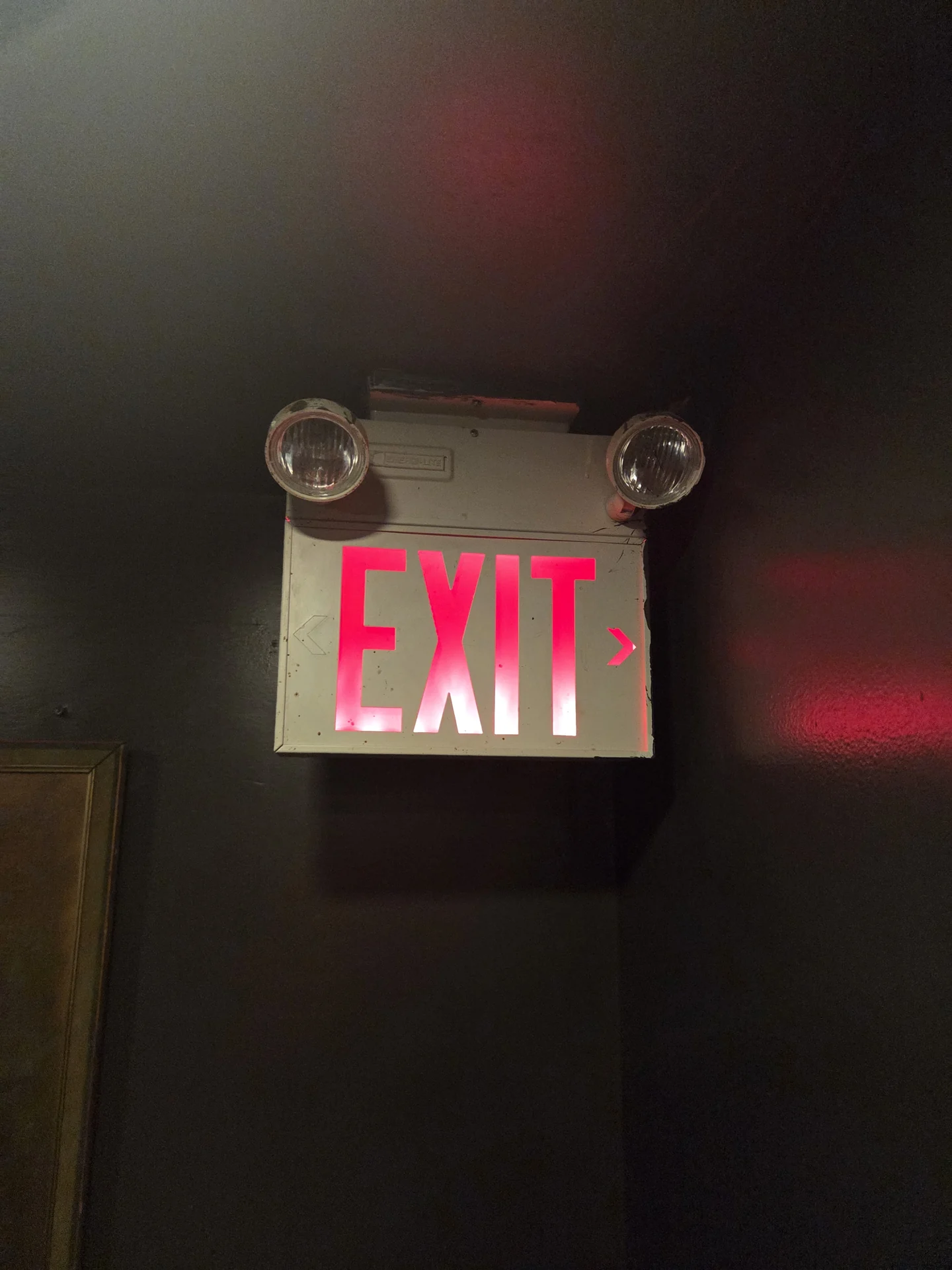
- Emergency lighting & exit signs: self-contained emergency lighting units require monthly inspection and operation testing, plus an annual test for their design duration and checks of charging recovery. Battery-backed exit signs also need monthly operation and annual design-duration checks. Other emergency lights and exit signs have different requirements, including manufacturer instructions for self-luminous or photoluminescent signs. Confirm the applicable schedule under Fire Code Articles 6.7.1.6–6.7.1.8 and keep records. See our emergency lighting page.
Fire safety plans in Toronto
Your plan explains prevention, evacuation, staff roles, system shutdowns, and drill schedules. Many occupancies are legally required to have one (Ontario Fire Code, Section 2.8). Toronto Fire Services reviews new plans and major revisions; see the City’s Fire Safety Plan fees & contacts. Need help? Discuss your building, existing plan and staff preparation needs through our fire safety plan development and updates page so the required scope can be confirmed.
Risks of non‑compliance (fines & insurance)
- Fines: On conviction for an offence under FPPA section 28(1), an individual may face up to $50,000 for a first offence or $100,000 for a subsequent offence, up to one year of imprisonment, or both. Corporate maximums are $500,000 for a first offence and $1.5 million for a subsequent offence. Separate daily penalties can apply on conviction for failing to comply with specified inspection orders under section 30. See the current FPPA.
- Insurance: Coverage depends on the policy and circumstances. Ask your insurer or broker about inspection, maintenance and recordkeeping requirements.
- Downtime & reputation: Even a small fire can cause weeks of disruption. Maintained equipment and a practised plan support a safer response.
If you’ve received an order or notice, contact us promptly to arrange appropriate follow-up—Fire Safety Repairs and Urgent system service.
Prepare for your next inspection: checklist
- Extinguishers: annual maintenance and other required service are current, the unit is accessible, and its rating and location suit the hazard. (Need a deeper dive? How often to inspect in Ontario.)
- Alarms: latest CAN/ULC‑S536 annual report on site; panel shows no troubles.
- Emergency lighting & exit signs: equipment-specific inspection and test records are current, including applicable battery and duration tests.
- Sprinklers/standpipe/pumps: system-specific inspection and test records are current; report abnormal valve positions or missing fire department connection caps to the responsible person.
- Exits & fire doors: clear paths; doors close and latch; no wedges.
- Plan & training: current fire safety plan on site; staff know roles; last drill logged. For practical equipment training, explore live fire extinguisher training in Toronto and the GTA. Include your group size, preferred dates and site details when enquiring.
Monthly fire extinguisher check
For staff or supervisors: record any concern and notify the person responsible for the building. Keep access clear. Defective or used extinguishers need appropriate service or replacement; arrange suitable replacement protection if a unit is removed. Do not attempt repairs during a visual check. Arrange a service assessment.
- Access — confirm the extinguisher is visible, labeled, and not blocked.
- Gauge — pressure gauge in its operating range if fitted; check fullness as the manufacturer directs; no damage, leaks, or powder residue.
- Pin & seal — present and intact; hose/nozzle free of cracks or obstructions.
- Tag — last annual fire extinguisher inspection date is within 12 months.
- Log — initial and date your monthly check.
FAQ
How often is a fire extinguisher inspection required in Ontario?
Monthly visual check by staff, annual inspection by a qualified technician, and periodic hydrostatic testing (5–12 years based on cylinder type). Keep records for the fire inspector.
Do I need a fire safety plan?
Check the occupancy, occupant load, building height and other conditions in Ontario Fire Code Article 2.8.1.1. The presence of a fire alarm alone does not establish whether a plan is required. Contact the local fire department if applicability is unclear, and discuss the required planning and training scope with FC Fire Prevention.
What standards apply to alarms and sprinklers?
Fire alarm inspection and testing follow CAN/ULC‑S536 as referenced by the Ontario Fire Code. For sprinklers, standpipes and pumps, confirm the applicable Code provisions and system-specific schedule; specified NFPA 25 provisions are recognized for certain requirements.
Book service (Toronto & GTA)
Choose the service that matches your next step: portable extinguisher service, building inspection and testing, or fire safety plan development and updates.
When you contact FC Fire Prevention, include the property address, systems involved, previous reports and any changes affecting the existing plan. We can discuss the required scope and the information needed before a visit.
Sources & references
- Toronto Fire Services 2023 Annual Report (880 residential fires; property class trends). City of Toronto (PDF)
- Ontario Fire Code (O. Reg. 213/07): emergency planning (Div. B 2.8), portable extinguishers (6.2), fire alarms (6.3), water-based systems (6.4–6.6), and emergency lighting and exit signs (6.7.1.6–6.7.1.8). Current e-Laws regulation
- FPPA: conviction penalties in section 28 and failure to comply with specified inspection orders in section 30. Current FPPA statute
- NFPA 10 (portable extinguishers) & NFPA 25 (water‑based systems) overviews. NFPA 10 | NFPA 25
- CCOHS portable extinguisher guidance — safe use and maintenance considerations.
More from FC Fire Prevention: Fire Equipment Inspection Guide • Fire Safety Best Practices (Toronto) • Latest articles